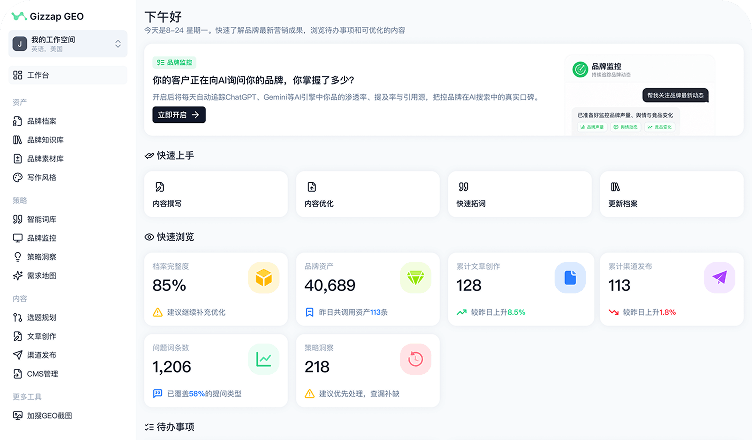
Scattered knowledge slows the team down
Product information, cases, and assets are spread across tools, so creating one piece of content often starts with a search for several files

Brand Knowledge & Asset Management
Gizzap centralizes positioning, product information, cases, assets, and writing guidance. Research and content agents work from this knowledge, so your team does not have to reintroduce the brand for every task
Product details live in documents, cases stay in chat threads, and brand guidance is passed along verbally. Every new task starts with finding files, explaining context, and checking versions
Product information, cases, and assets are spread across tools, so creating one piece of content often starts with a search for several files
Old specifications and positioning sit beside new guidance, making it hard to know which information is current
Tone, selling points, and product facts shared in one task have to be explained again in the next
How Gizzap helps
Gizzap separates confirmed brand facts from supporting material. Agents can trace the information they use to its source, and your team can verify the basis of every claim
The brand profile records approved positioning, products, key benefits, and messaging guidance for future research and creation
The knowledge base stores product information, cases, and business documents with source and date details for agents and teams to reference
Content agents can use saved assets, brand voice, and preferred terminology, leaving the team to add only task-specific requirements
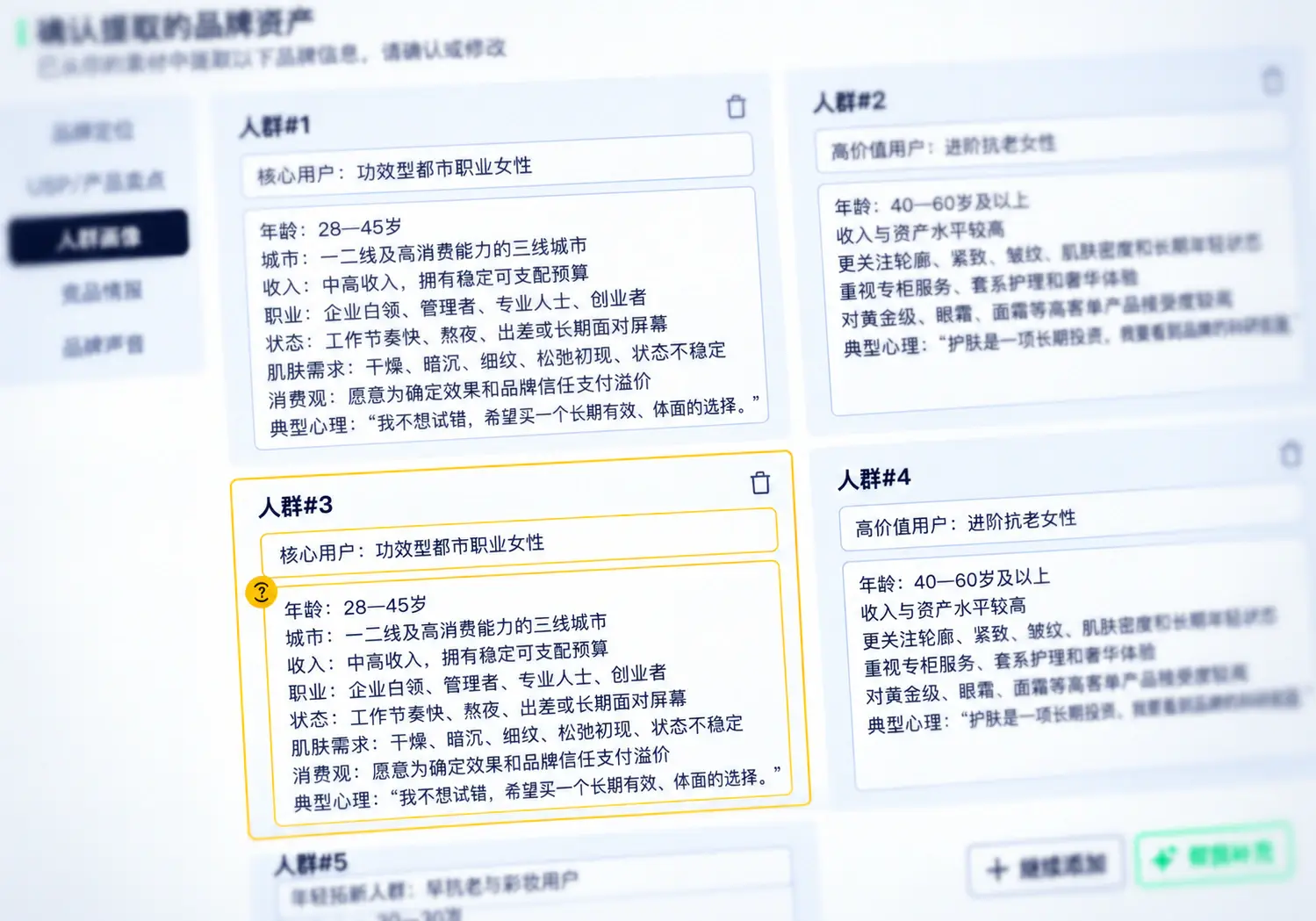
Organize core facts and existing documents first, then keep validating and updating them through research and content work
Add core brand, product, and website information, then confirm positioning, services, and key benefits
Import product documents, cases, and assets while preserving the source of each item
Current brand knowledge becomes the shared basis for research, strategy, and content tasks
When information is outdated or conflicts arise, verify the source, update the record, and retain its history
One set of brand knowledge supports demand research, strategy, and content creation. Updates carry into future tasks, so the team does not have to organize the same information again
Agents reuse the existing brand context, so the team can focus on the problem each task needs to solve
Creators and reviewers use the same product facts, making inconsistencies easier to spot
Teams can inspect sources and versions to understand why messaging changed
Yes. Start with a basic profile and add more over time. If a task lacks an essential product fact, the agent will ask for the necessary information
No. Gizzap handles article edits and brand knowledge updates separately. A change in one article does not automatically become a brand fact for other tasks
Each workspace manages its own business material and brand context, keeping projects separate
See how Gizzap organizes brand profiles, preserves sources, and uses the same brand assets for strategy and content creation